
Affordable Carpet Restoration Near You: What to Know

Replacing the carpet in your home or business can be an expensive endeavor, particularly when you factor in the cost of new materials, the labor required to remove the old carpet and padding, and the inconvenience of rearranging furniture. The good news is that unsightly rippling, pet stains, and uneven seams don’t have to mean that you need to replace your carpet entirely. Skilled carpet repair and stretching professionals can help you restore your home’s floor covering on a budget. By understanding the process and knowing what to expect when hiring a local carpet repair service, homeowners and business owners can save hundreds of dollars by avoiding the hassle and expense of removing and replacing their carpets. The Main Advantages of Professional Carpet Repair Services The ability to repair your carpets instead of replacing them entirely offers a number of compelling advantages over traditional carpet replacement. First and foremost among these advantages is the cost. While the precise cost of your carpet repair will depend on the services performed, a qualified carpet repair professional can typically restore your carpets at a small fraction of the cost of new carpet and padding. In addition, repairing your carpet instead of replacing it allows you to enjoy the many benefits your old carpet had to offer. By eliminating unsightly ripples and uneven seams, professional carpet repair can prolong the life of your existing floor covering dramatically. Even minor imperfections can shorten the lifespan of your carpet considerably when they are allowed to persist, so it is well worth it to have those seams refinished to maximize your investment. Furthermore, carpet repair services can remove potentially hazardous trip hazards in your carpets, restoring your home or business to absolute safety. In uneven carpets, loose loops and threads tend to form along the walls, particularly in the corners and near doorways. Babies crawling on the floor and elderly residents are particularly likely to trip on loose carpet edges, but every home and business should be free of trip hazards. Finally, carpet repair and stretching services can ensure that your carpet is finished and tightened quickly with minimum waste. Compared to a carpet replacement project, which can take days to complete, a professional carpet repair only requires a matter of hours. This allows you to minimize the disruption caused by construction and enjoy your new, even carpet right away. In addition, carpet repair services are much more environmentally responsible than replacing existing carpets. Wastewater and synthetic fibers from discarded carpets can seriously pollute local landfills and water sources, but carpet stretching and repair generates only a fraction of the waste that a full-scale replacement would produce. The Different Types of Carpet Repair Performed by Local Specialists A skilled carpet repair professional can address a wide variety of carpet imperfections. From sunken and uneven floor coverings to severe pet stains and unpleasant odors, carpet stretching experts in your area can help. Power Carpet Stretching As people walk back and forth across your home, move furniture across the carpet, and open and close doors, microscopic fibers in the carpet backing begin to separate. Over time, this separation causes the carpet to sag, ripple, and wrinkle, particularly in high-traffic areas. While this issue may seem insurmountable, professional carpet stretchers can eliminate those annoying ripples and restore the carpet to its former glory. First, the repair professional will use a power stretcher tool to tighten the carpet backing and extend the carpet slightly. This tool anchors the carpet into position along one side of the room. The technician then cuts away the extended portion of carpet along the other wall and secures it into position on the opposite side of the room. Finally, the stretched carpet is pulled taut one final time, and the carpet is trimmed to size. Surgical Carpet Patching When a rippling area of carpet is too deep or too wide to be fixed by simple power stretching, a more aggressive approach may be required. This is also the case when the carpet has been stained or discolored. Pet damage and iron burns are two common examples of discoloration that require a more involved repair process. To repair the carpet, the carpet repair technician will first use a carpet knife to remove the damaged portion of the carpet along its natural fibers. Next, the technician will obtain a suitable replacement piece of carpet to replace the unsightly damaged section. Depending on the location of the repair, the technician may use spare carpet hidden in a closet, a leftover piece of carpet from a prior repair, or an entirely new piece of carpet. Finally, the replacement piece is inserted using heat-sealing methods to ensure a perfect fit. Split Seams & Transitions One of the most common carpet repair issues faced in the home is split seams and transitioning seams at doorways. These transitions become frayed and uneven with regular use and vacuuming. After inspecting the affected area, the repair technician will reline the backing and reinforce the split with a heavy-duty heat-bonded tape. By doing so, the carpet repair technician will leave your doorway looking as good as new. The Carpet Repair and Installation Process After scheduling a repair appointment with a local carpet repair professional, you can expect a fairly routine procedure no matter the type of repair needed. The process begins when the repair technician visits your home or business to discuss your carpet repair options. The technician will evaluate the room, the tack strips, and the carpet backing before providing an estimate of the cost of the repair. Once you give your approval, the technicians will begin moving lightweight furniture out of the way to provide access to the area where the repair will take place. Using power stretchers, knives, and heat irons, the technician will make the appropriate repair. Finally, the technician will cut away any excess carpet, clean up any debris, vacuum the carpet, and inspect the entire room to ensure that you are completely satisfied with the result. How You Can
How Much Does Carpet Stretching Cost in 2026? A Complete Homeowner’s Guide
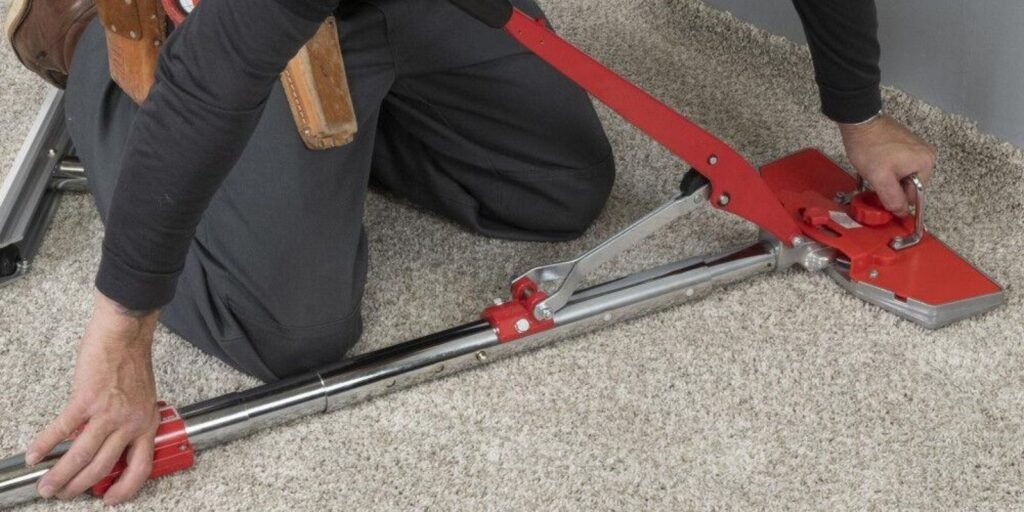
If you have seen your carpet getting ripples, bubbles or sections that are loose and move when walking over them, then stretching your carpet might be the solution you need. It is one of the most affordable home improvement solutions and provides many years of life to your current floor, as it is not as expensive as complete carpeting replacement. Prior to hiring a pro, however, most homeowners want to be informed about their financial responsibilities. This full carpet stretching cost study in 2026 reveals all the details you need to understand the cost of the carpet stretching process, what factors influence that price and what to do if you are not sure if it is more economical to stretch or replace your carpet. What Is Carpet Stretching and Why Does It Matter? The process of stretching the carpet across the room, using a power stretcher tool, and then rejoining it to the edges of the room or areas. Carpets tend to lose their tightness over time with heavy use, poor original installation, temperature extremes and growing age. This creates an almost visible ripple, buckle or lumpy area, not only ocularly but actually dangerous as loose carpet is a major cause of trips and falls in the home. In addition to safety issues, buckled carpet will show uneven wear and age at different rates than stretched carpet. Fibers rub against each other in elevated areas, causing them to become compromised early in their life, thus shortening the life of your flooring investment. People who approach the situation proactively with professional stretching, restore not only the appearance of your carpet, but its structural integrity also. Average Carpet Stretching Costs in 2026 The average professional carpet stretching service for an average room in 2026 ranges from starting to finish cost averaging from one hundred fifty to three hundred fifty dollars. But, the fluctuations in prices depend on various factors, which would be useful for all homeowners to take note of before requesting quotes. When stretching carpets throughout the entire home, prices usually fall between three hundred to eight hundred dollars or even more, based on the home’s square footage. Some companies have stretching prices based on the room, others are based on the square foot, usually between forty to eighty cents per square foot for only the stretching service. It’s important to note that while carpet installation is much more expensive than a carpet replacement, a full carpet replacement ranges between seven hundred and twenty-five hundred dollars when materials and labor are combined for a single carpet room. If they are structurally sound but just start to loosen, it is almost always a better financial option to stretch them. Key Factors That Affect the Final Price There are a number of factors that can affect your final cost and it’s important to know them so you can make a spending budget and steer clear of unpleasant surprises once your quote arrives. Room Size and Layout—The larger the room, the longer it will take and more work will be required to stretch properly, which adds to the cost of the job. A room with more than one doorway or built-in furniture will create an additional time and complexity of the job. Number of Rooms — A lot of carpet stretching companies provide reduced prices for more than one room if they service more than one room in a single appointment. Doing all your stretching in one block, rather than one per appointment, is generally cheaper. Severity of the Buckling — Mild ripples that have recently occurred are quicker to correct than severe buckling that has been around for years. Over time, buckling can cause carpet to go beyond the point of recovery; therefore, more repair may be necessary or replacement needed. Furniture Moving — There are some companies that put furniture moving in the base charge and there are others that add furniture moving to the original charge. Understand this in advance or you may have to shell out extra on your bill. Geographic Location — Labor costs vary greatly from one region to another. In general, urban markets will be more expensive than rural markets, and region to region, the cost of living difference will impact on prices across the country. Repairs Needed — If your carpet has any rips, tears, damaged seams or sections which are worn or damaged during the stretching process, these will be quoted for and be a part of your total carpet stretching cost. Power Stretching vs. Knee Kicking: Understanding the Difference When looking around, you’ll find that your prospective carpet stretching professional might refer to two different processes that they use to accomplish the task: power stretching and knee kicking. Knowing the distinction is important since it profoundly impacts on the outcome and results durability. The older technique is called knee kicking, in which the technician uses a tool using the knee to push the carpet. It is also quicker and doesn’t involve as much equipment, so some businesses opt for this to save money. Though knee kicking will also help achieve tension, it won’t have the same effect as power stretching and may not last as long. Its power stretching features a mechanical device that securely holds onto the other wall and exerts much stronger and more precise tension on the carpet. Power stretching is recommended by industry professionals and carpet manufacturers to achieve long-lasting results. Make sure to always confirm power stretching when you are getting a quote— beware of companies that only provide knee kicking. Signs Your Carpet Needs Stretching Some homeowners aren’t sure if they have some problem with stretching carpet or if they’re not bothering with it because their carpet needs some other attention. Check out these safest signs that it is worthwhile hiring professional stretching. The easiest sign will be visible ripples or waves that creep across the surface of the carpet. Loose sections that move around when you walk over them, carpet edges that have separated from the tack
Carpet Wrinkles and Bunching: Causes, Consequences, and Professional Fixes
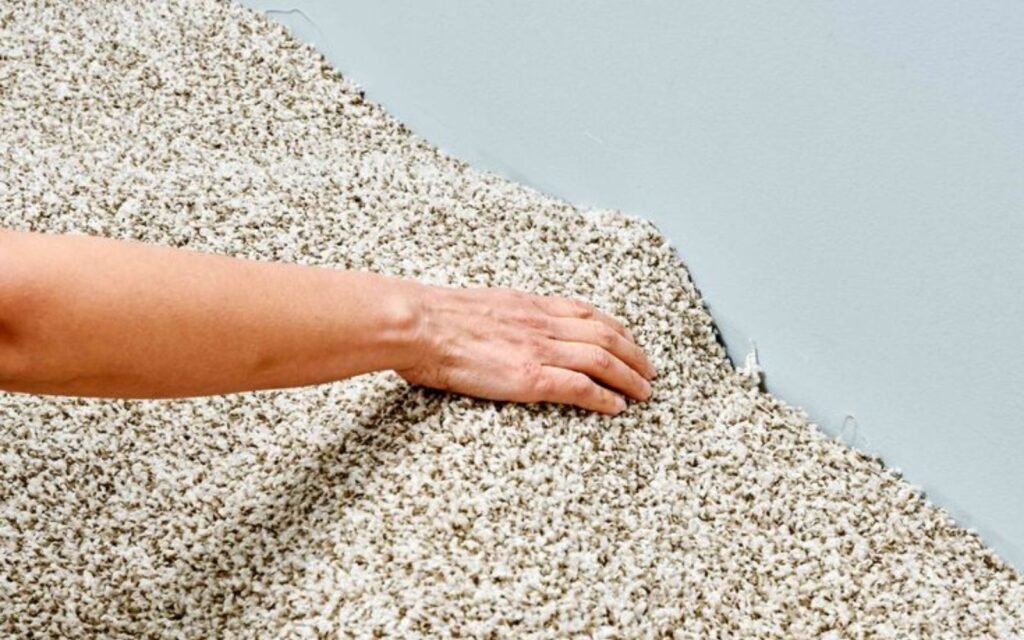
That lump underfoot in your rug is not merely unsightly. Trip risks grow when fabric folds rise unevenly across floors. Waves creep in where tension slips beneath padding, tugging threads out of place slowly over time. Homeowners often mention surprise at how fast things shift from a flat surface one day to wrinkled chaos the next. At Sun Carpet Stretching, we see this pattern again and again—people tired of stepping around trouble spots, wondering why their floor seems to be fighting back. A solid fix starts by knowing what caused the bulge long before any tools touch the material. The Science Behind How Carpets Stay Tight Carpet bends because something shifts after the initial setup. It gets stretched tight across floors with specific tools, locked down by little pinned edges—known as tack strips—around the walls. Tension holds everything steady and stops movement when people walk or heavy things sit on it. If that pull weakens over time, folds appear. Fabric spreads out slightly. Without firm contact along the borders, loose sections rise into humps where they should not be. Bubbles form simply due to slack. When the fabric loses its battle against gravity and foot traffic, the excess material must go somewhere, resulting in those visible, frustrating ripples. Carpet Bunching: Common Causes Poor Installation Practices Wrong starts during setup often lead to folds later on. Most times, installers skip proper gear when putting down carpet. A common shortcut? Using a knee-kicker rather than a real stretching machine. That little device shifts fabric into place but falls short on applying the necessary tension. Without enough stretch at first, slack builds up slowly. Even tight-looking floors today might loosen tomorrow. Material naturally relaxes after laying. When force is not high enough early on, waves appear eventually. No heavy-duty tool means a weak hold from day one. Time alone reveals what poor prep hides at first glance. Environmental Moisture Moisture sneaks into carpet backing when the air feels heavy with dampness. Fibers—especially ones born from nature or mixed synthetics—breathe in this shift. Swelling follows, pushing against once-tight seams set during the laying process. That snug fit weakens as things stretch out of shape. Once the air dries, shrinking does not always retrace its steps evenly. Wrinkles appear where flatness used to live, creating permanent ripples that no amount of sweeping can smooth away. Furniture and Daily Wear Heavy furniture dragged across floors bends carpet fibers sideways, pulling the backing along too. That steady pressure changes how tight the material stays. Spots start sagging where chairs or cabinets sit most often. Weight alone keeps carpets stiff, stopping them from settling back evenly. Bunches rise up near table feet without anyone moving a thing. Over months of heavy use, the constant drag of weight and movement works against the initial installation tension, leaving the center of the room vulnerable. Subfloor and Padding Issues Most times, trouble starts beneath your feet. A wobbly carpet often means the layer below has problems. When that hidden floor tilts or dips, everything on top acts strange. Old sponge-like material tucked under can crumble without warning. Once it breaks down, the rug floats instead of staying put. Too much cushion creates soft spots where steps sink deep. Wrong thickness leads to bending with every walk across the room. Movement like that pulls at seams until waves form out of nowhere. If the foundation is unstable, the carpet has no choice but to follow the inconsistencies of the subfloor. The Risks of Overlooking Small Signs Most people notice the look first, yet hidden beneath is a deeper issue—bunching weakens the structure over time. Each footfall onto a raised fold adds strain where fabric meets the base, inviting splits along stressed edges. Instead of smooth support, ridges form pressure zones, bending strands sideways until they flatten out of shape. Over days, these spots darken under constant grinding, transforming what seemed slight into lasting harm. Repair fades as an option once wear sets deep enough to demand a total swap. Ignoring a small wrinkle is effectively waiting for a total flooring failure. Professional Stretching Fixes When fabric pulls together, sitting back will not fix it—things tend to tighten further. Experts pull the material taut instead. That method follows a sequence of exact moves to restore the original finish. First, the room must be cleared. Furniture needs to come out—every piece gone so the edges of the carpet can be reached without obstruction. An empty room means the space is open, which makes it possible to work right up close along every wall. Next, the technician carefully frees the carpet from the gripper rods near the damaged edges. With steady force, a worker uses a heavy-duty power stretching tool to draw the carpet tight again. From there, wrinkles begin to vanish as the fabric moves back into its proper place. Little by little, the slack disappears. Now flat and secure, it stays put across the floor surface, exactly as it was meant to be. Finally, from the wall edge, the team cuts back what hangs loose. That leftover bit gets sliced off precisely. Then, the floor cover is fastened again onto the gripper nails. A snug fit shows when done. The result is smooth underfoot with no bumps left behind. Why DIY Stretching Comes With Risks Most rented tools look like pro equipment, but using them well takes real skill. When tension falls short, bumps come back before long. Push too hard, though, and fibers rip or tacks snap under pressure. Our crew at Sun Carpet Stretching learns how each fabric grain behaves, adjusting for various backing styles without guessing. Even tension matters—spread right, it stops fresh waves from popping up nearby. Maintaining a Smooth Look After a pro stretches your carpet, how you care for it matters most. Keep indoor moisture steady so floors and furnishings stay safe. Moving bulky things? Slide them gently using supports under legs instead of yanking them sideways. Over time, scheduled cleanings by experts pull out tiny
Carpet Wrinkles and Bunching: Causes, Consequences, and Professional Fixes
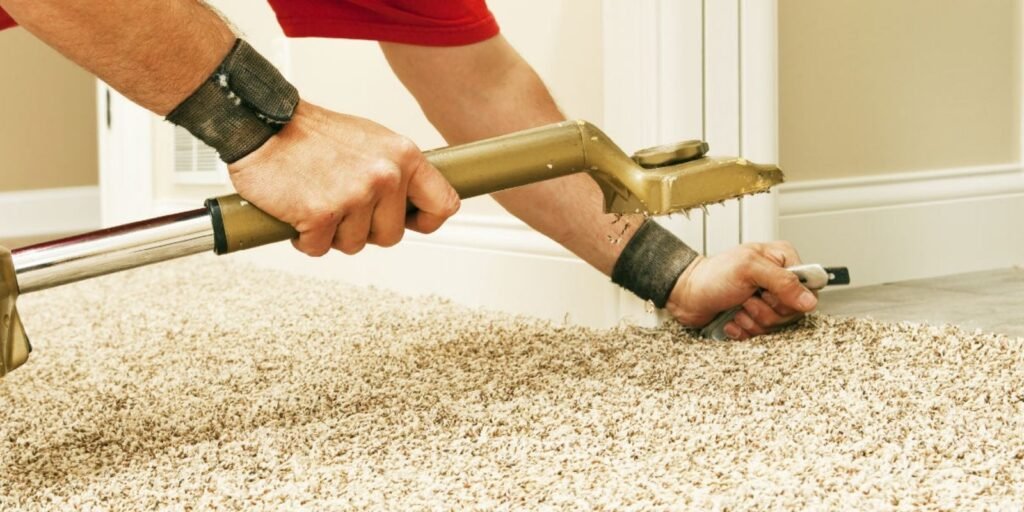
That lump underfoot in your rug is not merely unsightly. Trip risks grow when fabric folds rise unevenly across floors. Waves creep in where tension slips beneath padding, tugging threads out of place slowly over time. Homeowners often mention surprise at how fast things shift from a flat surface one day to wrinkled chaos the next. At Sun Carpet Stretching, we see this pattern again and again—people tired of stepping around trouble spots, wondering why their floor seems to be fighting back. A solid fix starts by knowing what caused the bulge long before any tools touch the material. The Science Behind How Carpets Stay Tight Carpet bends because something shifts after the initial setup. It gets stretched tight across floors with specific tools, locked down by little pinned edges—known as tack strips—around the walls. Tension holds everything steady and stops movement when people walk or heavy things sit on it. If that pull weakens over time, folds appear. Fabric spreads out slightly. Without firm contact along the borders, loose sections rise into humps where they should not be. Bubbles form simply due to slack. When the fabric loses its battle against gravity and foot traffic, the excess material must go somewhere, resulting in those visible, frustrating ripples. Carpet Bunching: Common Causes Poor Installation Practices Wrong starts during setup often lead to folds later on. Most times, installers skip proper gear when putting down carpet. A common shortcut? Using a knee-kicker rather than a real stretching machine. That little device shifts fabric into place but falls short on applying the necessary tension. Without enough stretch at first, slack builds up slowly. Even tight-looking floors today might loosen tomorrow. Material naturally relaxes after laying. When force is not high enough early on, waves appear eventually. No heavy-duty tool means a weak hold from day one. Time alone reveals what poor prep hides at first glance. Environmental Moisture Moisture sneaks into carpet backing when the air feels heavy with dampness. Fibers—especially ones born from nature or mixed synthetics—breathe in this shift. Swelling follows, pushing against once-tight seams set during the laying process. That snug fit weakens as things stretch out of shape. Once the air dries, shrinking does not always retrace its steps evenly. Wrinkles appear where flatness used to live, creating permanent ripples that no amount of sweeping can smooth away. Furniture and Daily Wear Heavy furniture dragged across floors bends carpet fibers sideways, pulling the backing along too. That steady pressure changes how tight the material stays. Spots start sagging where chairs or cabinets sit most often. Weight alone keeps carpets stiff, stopping them from settling back evenly. Bunches rise up near table feet without anyone moving a thing. Over months of heavy use, the constant drag of weight and movement works against the initial installation tension, leaving the center of the room vulnerable. Subfloor and Padding Issues Most times, trouble starts beneath your feet. A wobbly carpet often means the layer below has problems. When that hidden floor tilts or dips, everything on top acts strange. Old sponge-like material tucked under can crumble without warning. Once it breaks down, the rug floats instead of staying put. Too much cushion creates soft spots where steps sink deep. Wrong thickness leads to bending with every walk across the room. Movement like that pulls at seams until waves form out of nowhere. If the foundation is unstable, the carpet has no choice but to follow the inconsistencies of the subfloor. The Risks of Overlooking Small Signs Most people notice the look first, yet hidden beneath is a deeper issue—bunching weakens the structure over time. Each footfall onto a raised fold adds strain where fabric meets the base, inviting splits along stressed edges. Instead of smooth support, ridges form pressure zones, bending strands sideways until they flatten out of shape. Over days, these spots darken under constant grinding, transforming what seemed slight into lasting harm. Repair fades as an option once wear sets deep enough to demand a total swap. Ignoring a small wrinkle is effectively waiting for a total flooring failure. Professional Stretching Fixes When fabric pulls together, sitting back will not fix it—things tend to tighten further. Experts pull the material taut instead. That method follows a sequence of exact moves to restore the original finish. First, the room must be cleared. Furniture needs to come out—every piece gone so the edges of the carpet can be reached without obstruction. An empty room means the space is open, which makes it possible to work right up close along every wall. Next, the technician carefully frees the carpet from the gripper rods near the damaged edges. With steady force, a worker uses a heavy-duty power stretching tool to draw the carpet tight again. From there, wrinkles begin to vanish as the fabric moves back into its proper place. Little by little, the slack disappears. Now flat and secure, it stays put across the floor surface, exactly as it was meant to be. Finally, from the wall edge, the team cuts back what hangs loose. That leftover bit gets sliced off precisely. Then, the floor cover is fastened again onto the gripper nails. A snug fit shows when done. The result is smooth underfoot with no bumps left behind. Why DIY Stretching Comes With Risks Most rented tools look like pro equipment, but using them well takes real skill. When tension falls short, bumps come back before long. Push too hard, though, and fibers rip or tacks snap under pressure. Our crew at Sun Carpet Stretching learns how each fabric grain behaves, adjusting for various backing styles without guessing. Even tension matters—spread right, it stops fresh waves from popping up nearby. Maintaining a Smooth Look After a pro stretches your carpet, how you care for it matters most. Keep indoor moisture steady so floors and furnishings stay safe. Moving bulky things? Slide them gently using supports under legs instead of yanking them sideways. Over time, scheduled cleanings by experts pull out tiny
Carpet Damage Repair Services: Pet, Bleach, Water, Burn & Seam Repairs
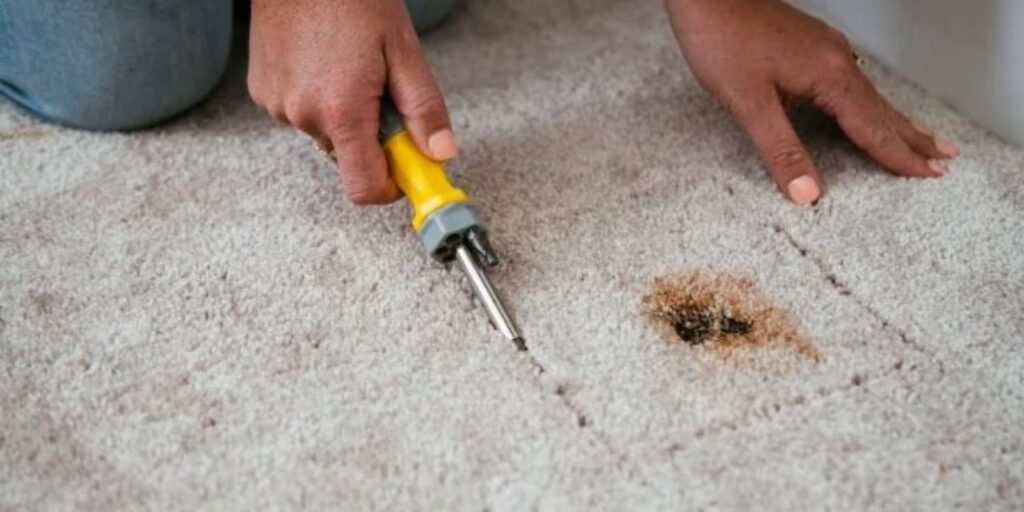
Just imagine you go into your living room after having a hard day and you see a large spot of bleach on the floor- right in the middle of the room where everybody can view the spot. It is bleached to a pale, ugly spot and your eyes are fixed on it whenever you enter the room. Perhaps it was an accident in cleaning. Perhaps a bottle overbalanced only two seconds. In any case, the carpet appears just to be ruined, although the floor may be in excellent condition. The positive side: the majority of the damage to the carpets does not entail a complete replacement. The modern carpet repair service takes the form of repairing only the damaged part using carpet patching, seam repair, fibber reconstruction, odor treatment, and power stretching. Understanding the process of repairing each kind of damage will allow you to use restoration rather than spend thousands of dollars on new flooring. Pet Damage Repair: Fixing Claws, Urine, and Torn Carpet Fibbers Animals are the leading cause of carpet damage in houses. Dogs scratch around the doors, cats scratch around the corners, and repetitive behaviours leave tattered edges of the carpet, pulled loop, and thin areas of bald spots which rapidly extend. The most important thing with pet damage is preventing the unravelling before it gets into a larger patch. The repair of professional pet damage often begins by carefully examining the carpet pile, back, and adjacent seams. When the fibber is shredded or lost, technicians usually perform a patch repair on the carpet: the damaged area is cut out in a clean and tidy fashion and then a corresponding piece of donor (leftover carpet or a concealed space such as a closet) is used to replace the damaged area. The replacement is set to fit in the direction of the pile and fibber density and is bonded with seam tape and adhesive latex to fit flat. Urine is another issue as it is not only on the surface. The urine of pets may penetrate the carpet, padding, and even the sub-floor, causing permanent smell and staining. Having an appropriate professional attitude is not about smelling things with perfume—it is about cleaning up the contamination. That may include carrying up the carpet, replacing the pad that was affected, and enzyme odor neutralizers, which neutralize the urine compounds rather than conceal them. Bleach Spot Carpet Repair: Restoring Colour and Fibber Integrity Damage caused by bleach is annoying since it is not a rinseable stain. It’s chemical colour loss. Once the colour is removed, it is not restock able even with the help of normal cleaning. There are usually two options between the methods employed by professionals depending on the size and condition of fibers :1) Carpet dye correction In cases of small bleach spots, the technicians may recolour the area with fibre safe carpet dyes. The difficulty lies in getting the correct shade of your carpet and this can sometimes involve mixing several colours. An experienced technologist uses the dye to the extent that the repaired section is equal in both tone and colour without bleeding into the surrounding fibbers. 2) Replacement of the sectional carpets. Patching is normally a longer-lasting solution compared to bleach in case of a large bleach spot or because bleach has caused the fibbers to become fragile. The technology cuts the damaged part, replaces it with an exact sized piece, and seals it with invisible seam bonding equipment so that the patch becomes invisible in the floor. Water-Damaged Carpet Repair: Preventing Meld and Structural Damage A plumbing leak, overflow of a dishwasher, a drip of the roof, or flooding will cause water damage. And the most dangerous thing is not only the wet carpet, but what transpires beneath it. Padding enclosed moisture causes the growth of moulds, musty smell and delamination of the carpet backing (layers peeling off, carpet losing its structure). Repair of water damage may involve: High-suction device to remove moisture out of pad and fibbers using water. Quick drying using commercial air movers and dehumidifiers to avoid the mold. Replacement of padding in the case of dampness, compression, or pretentiousness of the pad. Cleaning the subfloor in case of dirty/ grey water and when odors remain. After drying to flatten the ripples, power is stretched to recover a tight fit that is flat. When the carpet wrinkled when the water was added, it is not just cosmetic. It is normally an indication that the carpet enlarged and moved. It is re-stretched by a professional on a tack strip in the right position to ensure that the carpet does not continue buckling or become a source of tripping. Carpet Burn Repair: Fixing Iron, Cigarette, and Heat Damage Burns can be more rapid than one might think, hot irons, hair tools, candles, embers, even contact with the heater. Damage due to burning is typically melted, hardened, or burnt fibbers which cannot be washed away.Fiber reconstruction can be useful in fixing smaller burns. The technician cuts away the scalded ends and replenishes the lost tufts with fibbers of donor parts. Such fibbers are bonded with high precision to ensure that the texture of the area is the same as the rest of the carpet. Bigger burns are normally treated with a plug repair or patch. A hole of a circle or square shape is made and a piece of the same shape is cut and inserted and bonded in with a seam roller and the seam tape that require heat to activate. Matching pile direction is the strongest detail, which even the best match of the colour should indeed appear as wrong—when fibbers are upside down Carpet Seam Repair: Fixing Separation, Fraying, and Loose Edges Where two pieces join is where a seam fails, and you will be able to see gaps, lifting edges and fraying lines, all catching shoes or vacuums. Reasons are high pedestrian traffic, incorrect original installation, low adhesive quality of the seam or movement due to moisture. Repair is a professional
Professional Carpet Repair, Stretching & Cleaning Services Near You
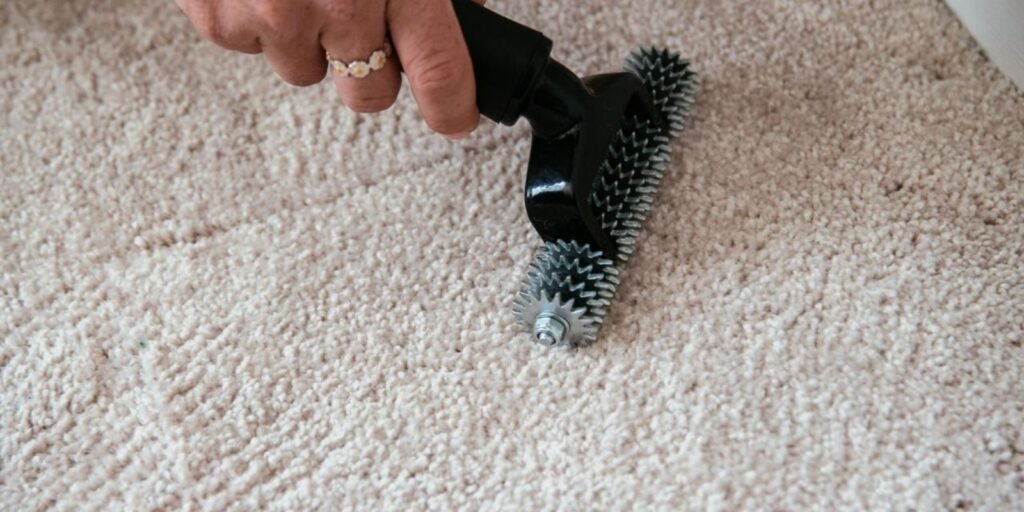
Have you seen ripples on your carpet, edges that are coming off the wall, or stains that you cannot get off, no matter how much you clean it? These are not mere cosmetic problems. Loose carpet leads to trips and falls, the entrapment of dirt may impact on indoor air quality, and broken parts may reduce the longevity of your flooring. Most people who replace their carpets and re-stretch them do not consider professional , re-stretching and deep cleaning as an alternative and in most instances, it is possible to repair your carpet to its original state at a fraction of the replacement cost. The carpet is a huge investment in any residential or business area. It needs special servicing whether it is installed in a living room, an office, a hallway or a rental property. Power stretchers, seam irons, industrial extraction machines, fibber-specific cleaning solutions are used by professional technicians in order to repair structural damage and deep contaminants in a safe way. Professional Carpet Stretching to Remove Ripples and Buckling Carpet stretching is the most effective solution when your carpet has ripples that are visible or when walking across it and it feels as though it was loose. This is done by removing the carpet and the perimeter tack strips and then using a mechanical power stretcher to clean up the carpet in the room. The advantages of professional carpet stretching are: Removes wrinkles, ripples and bulges. Eliminates hazards and risks of trips. Increases the life of the carpet by 5-10 years. Enhances the totality and comfort. Enforces compliance of the carpet warranty. It is common to find property managers arranging carpet stretching prior to renting out rental units as well as the rest of the property since a well-stretched carpet makes the rest of the building appear recent and worth more money. Carpet Seam Repair and Invisible Patching Techniques The adhesive used in the carpet may crack over time, traffic or improper installation may crack the seams. When the seams are open the dirt gets inside and the distance between the seams increases. Seam irons, heat-activated seam tape and industrial adhesives are used by professional technicians to permanently reattach the carpet sections. The cut is made with precision cutting equipment and fibber alignment techniques and the repaired section of the carpet fits perfectly with other carpets. In the majority of cases, the visitors are not able to state where the repair was done. This service is particularly helpful to: Burns of the cigarette or iron. Damage of pet urine and ripped fibbers. Bleach spots and chemical stains. Oil paint or ink spills on permanently. Little spaces furniture-damaged. It is much cheaper to do repair work on a small area as opposed to replacing a whole room. Fixing Carpet Edges, Transitions, and Loose Doorway Areas The most stressed areas are considered to be doorways and room transitions. Carpet may become loose at the edges and edges over time, either at the threshold, the metal transition strip or the tack strip. Professional repair involves re-installing or replacing transition strips, tack strips, and carpet grippers, and is done to ensure that the carpet is firmly attached. Technicians also check on the carpet padding and repair when the padding is damaged in order to ensure that there is proper support. Such repair is necessary in places where they are linked to hardwood flooring, tile, laminate, or stairs where loose edges of the carpet may prove to be a safety risk. Professional Carpet Cleaning Removes Deep Embedded Contaminants Carpets even when they appear clean on the surface can harbour dust mites, bacteria, allergens, pet dander and soil particles stuck deep in the fibbers. Vacuuming just removes the debris on the surface of the carpet whereas professional carpet cleaning involves the use of hot water extraction, steam cleaning and industrial suction equipment to extract the deep embedded rat, which are contaminants. It will usually require: Fibber testing and pre-inspection to pick the appropriate cleaning solution. Use of pre-treatment solution to dissolve oils and dirt. Hot water extraction machines used in flushing the carpet base. Power vacuum extraction to dry up and clean. Elective sanitizing and deodorizing procedures. Not only does it look better, but it will also increase the quality of indoor air, particularly in the home that has pets, children, or allergens. Pet Damage Restoration and Odor Removal One of the most destructive materials to carpets is pet urine as it seeps into the fibres to the carpet padding and the sub floor. Urine salts and bacteria cannot be removed completely by standard cleaning but they go on giving off odor. Professional restoration consists of deep enzyme treatments, may change padding when needed, and use of antimicrobial solution to remove odor. Patching can also be done locally in case of permanent damage to the fibbers which is done by technicians. This gives full elimination of odor instead of covering it up. Commercial Carpet Repair and Maintenance for Businesses Carpets that are in good condition and cleaned are important to businesses to ensure that they project a professional image. Offices, hotels, medical clinics and retail stores whose carpet are worn or damaged can hurt the customers. The commercial carpet services are: Carpet stretching on a large scale. Fixing seams in most used routes. Deep cleaning programs are scheduled. Spot repair and patching Entryway restoration Scheduled maintenance by the professionals lowers the replacement costs in the long term and makes sure that the property is maintained according to the standards of property management and safety. Health and Safety Benefits of Professional Carpet Restoration The damaged and soiled carpet may capture allergens, spores of mould, bacteria, dust, and cause respiratory issues and allergies. Floating carpet is also prone to fall and particularly to children and old age. These hazards can be addressed using professional stretching and cleaning which restore the stability, sanitation and structural integrity of the carpet. The insulation effects of the carpet are also maintained due to proper maintenance and they aid in controlling the indoor temperature, and prevents