
Carpet Wrinkles and Bunching: Causes, Consequences, and Professional Fixes
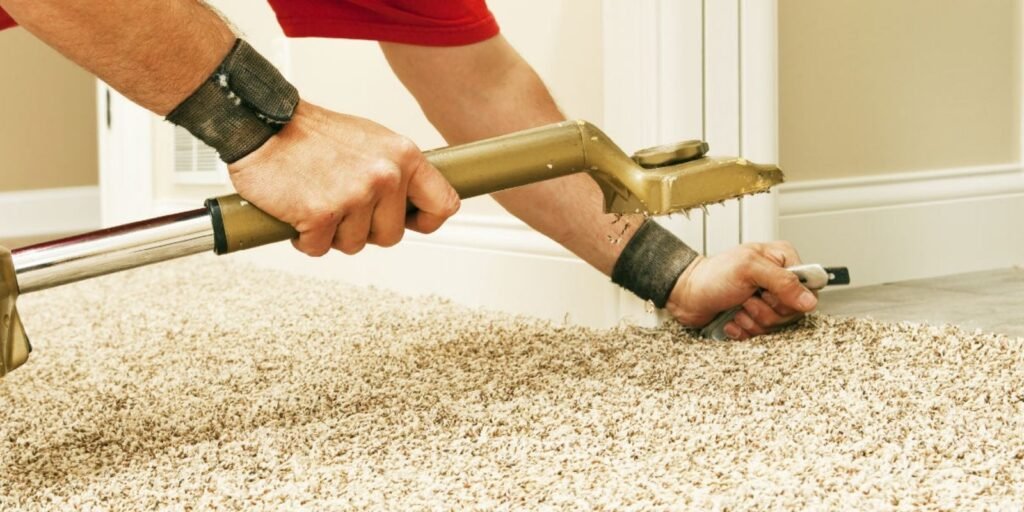
That lump underfoot in your rug is not merely unsightly. Trip risks grow when fabric folds rise unevenly across floors. Waves creep in where tension slips beneath padding, tugging threads out of place slowly over time. Homeowners often mention surprise at how fast things shift from a flat surface one day to wrinkled chaos the next. At Sun Carpet Stretching, we see this pattern again and again—people tired of stepping around trouble spots, wondering why their floor seems to be fighting back. A solid fix starts by knowing what caused the bulge long before any tools touch the material. The Science Behind How Carpets Stay Tight Carpet bends because something shifts after the initial setup. It gets stretched tight across floors with specific tools, locked down by little pinned edges—known as tack strips—around the walls. Tension holds everything steady and stops movement when people walk or heavy things sit on it. If that pull weakens over time, folds appear. Fabric spreads out slightly. Without firm contact along the borders, loose sections rise into humps where they should not be. Bubbles form simply due to slack. When the fabric loses its battle against gravity and foot traffic, the excess material must go somewhere, resulting in those visible, frustrating ripples. Carpet Bunching: Common Causes Poor Installation Practices Wrong starts during setup often lead to folds later on. Most times, installers skip proper gear when putting down carpet. A common shortcut? Using a knee-kicker rather than a real stretching machine. That little device shifts fabric into place but falls short on applying the necessary tension. Without enough stretch at first, slack builds up slowly. Even tight-looking floors today might loosen tomorrow. Material naturally relaxes after laying. When force is not high enough early on, waves appear eventually. No heavy-duty tool means a weak hold from day one. Time alone reveals what poor prep hides at first glance. Environmental Moisture Moisture sneaks into carpet backing when the air feels heavy with dampness. Fibers—especially ones born from nature or mixed synthetics—breathe in this shift. Swelling follows, pushing against once-tight seams set during the laying process. That snug fit weakens as things stretch out of shape. Once the air dries, shrinking does not always retrace its steps evenly. Wrinkles appear where flatness used to live, creating permanent ripples that no amount of sweeping can smooth away. Furniture and Daily Wear Heavy furniture dragged across floors bends carpet fibers sideways, pulling the backing along too. That steady pressure changes how tight the material stays. Spots start sagging where chairs or cabinets sit most often. Weight alone keeps carpets stiff, stopping them from settling back evenly. Bunches rise up near table feet without anyone moving a thing. Over months of heavy use, the constant drag of weight and movement works against the initial installation tension, leaving the center of the room vulnerable. Subfloor and Padding Issues Most times, trouble starts beneath your feet. A wobbly carpet often means the layer below has problems. When that hidden floor tilts or dips, everything on top acts strange. Old sponge-like material tucked under can crumble without warning. Once it breaks down, the rug floats instead of staying put. Too much cushion creates soft spots where steps sink deep. Wrong thickness leads to bending with every walk across the room. Movement like that pulls at seams until waves form out of nowhere. If the foundation is unstable, the carpet has no choice but to follow the inconsistencies of the subfloor. The Risks of Overlooking Small Signs Most people notice the look first, yet hidden beneath is a deeper issue—bunching weakens the structure over time. Each footfall onto a raised fold adds strain where fabric meets the base, inviting splits along stressed edges. Instead of smooth support, ridges form pressure zones, bending strands sideways until they flatten out of shape. Over days, these spots darken under constant grinding, transforming what seemed slight into lasting harm. Repair fades as an option once wear sets deep enough to demand a total swap. Ignoring a small wrinkle is effectively waiting for a total flooring failure. Professional Stretching Fixes When fabric pulls together, sitting back will not fix it—things tend to tighten further. Experts pull the material taut instead. That method follows a sequence of exact moves to restore the original finish. First, the room must be cleared. Furniture needs to come out—every piece gone so the edges of the carpet can be reached without obstruction. An empty room means the space is open, which makes it possible to work right up close along every wall. Next, the technician carefully frees the carpet from the gripper rods near the damaged edges. With steady force, a worker uses a heavy-duty power stretching tool to draw the carpet tight again. From there, wrinkles begin to vanish as the fabric moves back into its proper place. Little by little, the slack disappears. Now flat and secure, it stays put across the floor surface, exactly as it was meant to be. Finally, from the wall edge, the team cuts back what hangs loose. That leftover bit gets sliced off precisely. Then, the floor cover is fastened again onto the gripper nails. A snug fit shows when done. The result is smooth underfoot with no bumps left behind. Why DIY Stretching Comes With Risks Most rented tools look like pro equipment, but using them well takes real skill. When tension falls short, bumps come back before long. Push too hard, though, and fibers rip or tacks snap under pressure. Our crew at Sun Carpet Stretching learns how each fabric grain behaves, adjusting for various backing styles without guessing. Even tension matters—spread right, it stops fresh waves from popping up nearby. Maintaining a Smooth Look After a pro stretches your carpet, how you care for it matters most. Keep indoor moisture steady so floors and furnishings stay safe. Moving bulky things? Slide them gently using supports under legs instead of yanking them sideways. Over time, scheduled cleanings by experts pull out tiny